
Middle East Conflict Raises Cost Concerns Despite Strong Tractor Sales, Flat Construction Equipment Growth

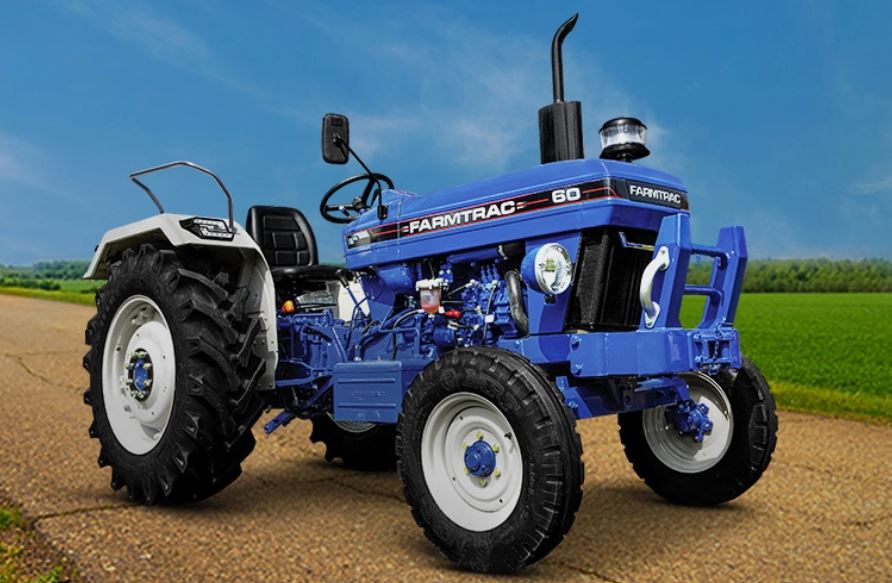
Faridabad: Even as Escorts Kubota Limited reported robust growth in its tractor business for April 2026, rising geopolitical tensions in the Middle East are beginning to cast a shadow over the broader farm and infrastructure equipment sectors.
The company’s agri machinery division posted a 24.4% year-on-year growth, selling 10,857 tractors compared to 8,729 units in April 2025. Domestic sales were particularly strong, growing 27.6% to 10,398 units, driven by favourable farm sentiment, adequate reservoir levels, and improved rural liquidity following GST cuts.
However, this positive momentum comes with caution. The company flagged that the ongoing Middle East conflict—impacting global supply chains and pushing up input costs such as steel, fuel, and logistics—could moderate farmer affordability and dampen demand in the coming months. Export sales already reflected some softness, declining to 459 units from 581 units a year ago.
A similar trend is visible in the construction equipment segment. The division reported flat sales at 396 machines, compared to 400 units last year, indicating a pause in growth despite continued government infrastructure spending. While equipment utilisation remains stable, supported by ongoing projects and capital expenditure, the sector faces rising uncertainty due to geopolitical risks.
Industry observers note that the Middle East tensions could have a dual impact—first, by disrupting supply chains and increasing production costs, and second, by putting pressure on government finances and infrastructure spending if global economic conditions tighten.
Additionally, the company highlighted that emerging El Niño conditions could further influence rural demand, making the outlook for tractor sales more volatile.
Overall, while April’s numbers reflect resilience in domestic demand, both tractor and construction equipment sectors appear increasingly vulnerable to external shocks, with the Middle East conflict emerging as a key risk factor that could shape demand, pricing, and investment trends in the near term.
